Dangerous Goods Shipping in UAE: What You Need to Know
Shipping dangerous goods requires much more than simply moving cargo from one location to another. Dangerous goods shipping in UAE involves careful classification, approved packaging, correct labelling, documentation, safe handling and compliance with applicable UAE and international transportation regulations.
Dangerous goods can include chemicals, flammable liquids, gases, toxic substances, corrosive materials, oxidizing substances, batteries and other products that may pose a risk to people, property or the environment if they are not handled correctly. For businesses importing or exporting hazardous cargo through the UAE, choosing an experienced logistics partner is therefore essential.
Hauler Logistics provides freight forwarding and logistics solutions covering air, sea and land freight, including dangerous goods logistics, customs brokerage, documentation and warehousing.
What Are Dangerous Goods?
Dangerous goods, often referred to as DG or hazardous materials, are substances or articles that can create a potential danger during transportation.
Depending on their properties, dangerous goods are divided into internationally recognized classes, including:
- Class 1: Explosives
- Class 2: Gases
- Class 3: Flammable liquids
- Class 4: Flammable solids and related substances
- Class 5: Oxidizing substances and organic peroxides
- Class 6: Toxic and infectious substances
- Class 7: Radioactive materials
- Class 8: Corrosive substances
- Class 9: Miscellaneous dangerous substances and articles
The classification of the cargo determines how it must be packaged, labelled, documented, stored and transported.
How Does Dangerous Goods Shipping in UAE Work?
A professional dangerous goods shipment normally goes through several important stages.
1. Identify and classify the cargo
Before transportation begins, the shipper needs to provide accurate information about the product.
This can include:
- Product name
- UN Number
- Dangerous Goods Class
- Packing Group, where applicable
- Safety Data Sheet (SDS/MSDS)
- Quantity
- Physical form
- Origin and destination
The classification is critical because transportation requirements can differ significantly depending on the type of dangerous goods. Dubai Customs has also highlighted that the acceptance and permitted quantity of dangerous goods for air transportation can depend on the classification, UN Number and MSDS data, together with the applicable safety requirements.
2. Select the appropriate transportation method
Dangerous goods may be transported by air, sea or road, depending on the cargo, destination, quantity, urgency and applicable regulations.
Air Freight
Air freight can be suitable when dangerous goods need to reach their destination quickly.
However, air transportation has particularly strict requirements. UAE GCAA CAR Part VI incorporates requirements relating to ICAO Technical Instructions and IATA Dangerous Goods Regulations, as well as UAE-specific variations.
Sea Freight
Sea freight can be an economical option for larger quantities of dangerous cargo. Hauler offers both FCL and LCL sea freight solutions, including options for dangerous goods cargo.
Land Transportation
Road transportation is commonly used for movement between warehouses, ports, airports and final delivery locations. In the UAE, transportation of hazardous materials requires compliance with the applicable competent-authority requirements. UAE government guidance states that transporting hazardous materials or non-standard loads requires an official permit from the competent authority.
How Hauler Handles Dangerous Goods
When transporting hazardous cargo, every stage of the shipment needs to be carefully coordinated.
Hauler’s dangerous goods logistics service can involve:
Cargo Assessment
The shipment is assessed based on its nature, classification, quantity, origin and destination before selecting the appropriate logistics solution.
Packaging and Labelling
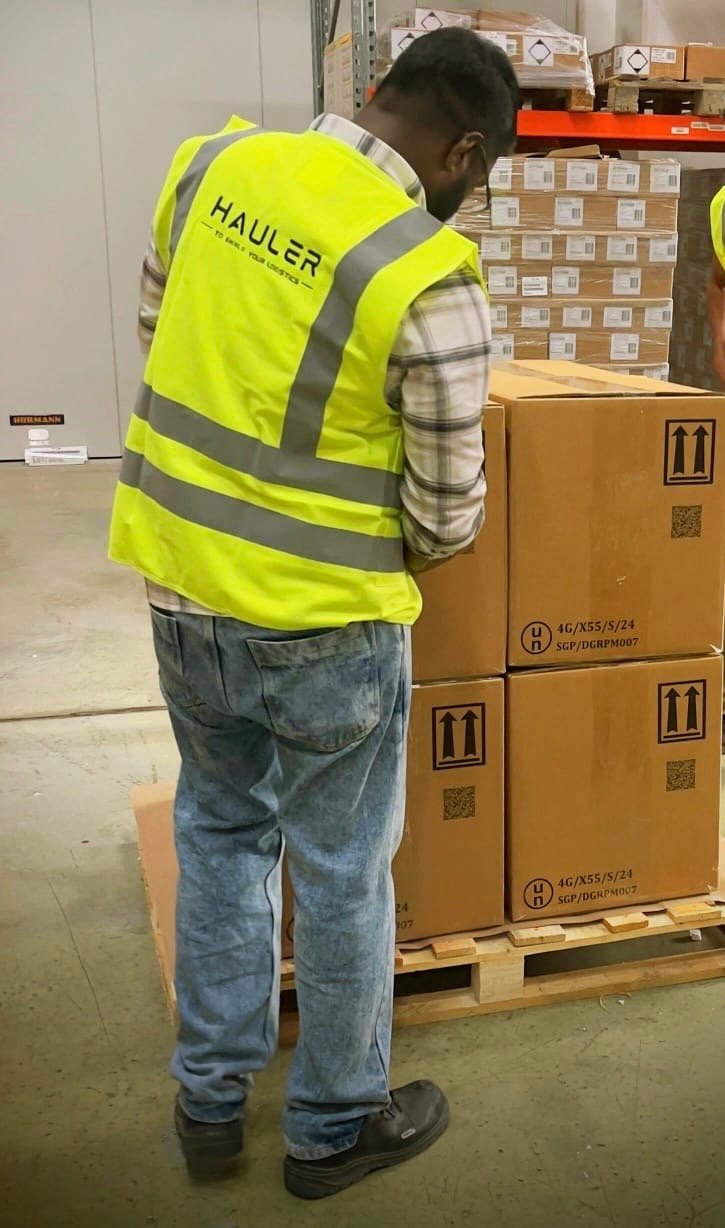
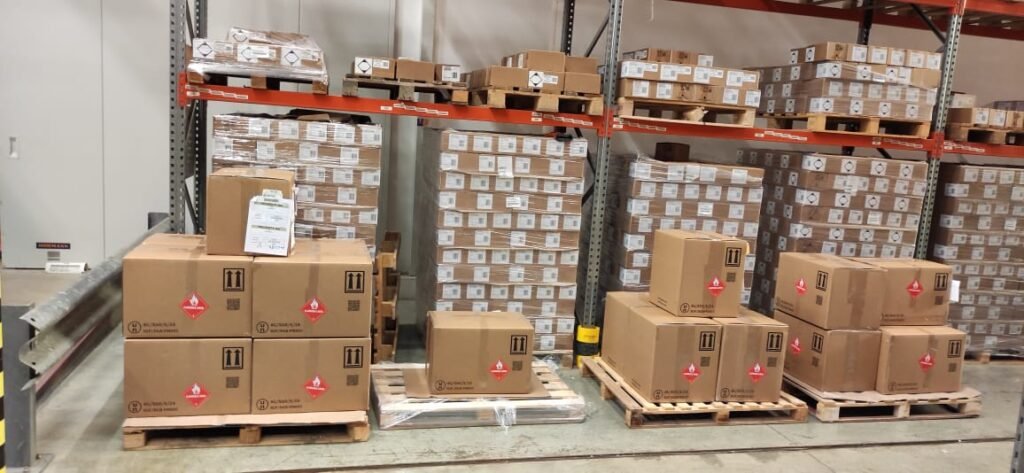
Dangerous goods need suitable packaging and appropriate hazard markings and labels according to the transportation mode and applicable regulations.
Documentation
Accurate documentation is essential for DG shipments. Depending on the shipment, documents may include:
- Commercial invoice
- Packing list
- Safety Data Sheet (SDS/MSDS)
- Dangerous Goods Declaration
- Air Waybill or Bill of Lading
- Customs documentation
- Permits or approvals where required
- Other carrier or regulatory documents
Safe Warehouse Handling
Dangerous cargo needs appropriate handling during receiving, storage, loading and dispatch.
Transportation and Monitoring
Once the cargo is prepared and approved, it can move through the selected transportation network. Hauler states that it provides real-time tracking and tracing for shipments, helping customers monitor cargo during transit.
What Makes Dangerous Goods Shipping Different?
Normal cargo can often be transported using standard packaging and procedures. Dangerous goods require additional controls.
The logistics provider needs to consider:
Classification → Packaging → Labelling → Documentation → Handling → Storage → Transportation → Customs → Delivery
A mistake at any stage can result in shipment delays, rejection by a carrier, additional costs or safety risks.
This is why businesses should work with a freight forwarder that understands dangerous goods requirements rather than treating hazardous cargo like ordinary freight.
UAE Rules and Regulations for Shipping Dangerous Goods
Businesses shipping dangerous goods through the UAE should understand that requirements depend on the transportation mode, type of dangerous goods, emirate, origin/destination and applicable authority.
1. UAE Road Transportation
The UAE’s land transportation framework applies to paid transportation of goods within the UAE, between emirates and across international borders.
For Dubai specifically, RTA lists Hazardous Materials Transport as a regulated commercial transport activity. Dubai’s Executive Council Resolution No. 47 of 2017 includes hazardous materials, radioactive materials, explosives, chemicals and chemical waste among regulated transportation activities.
2. UAE Air Transportation
For air freight, UAE GCAA CAR Part VI – Transport of Dangerous Goods by Air applies.
GCAA states that entities involved in dangerous goods transportation by air must comply with applicable UAE regulations, ICAO Technical Instructions, IATA DGR requirements and UAE State Variations.
Importantly, GCAA regulations state that UAE-originating dangerous goods shipments may only be offered and accepted for air transportation by a GCAA dangerous-goods-certified entity in accordance with the regulations.
3. Customs Requirements
Dangerous or restricted products may require additional approvals or documentation before customs clearance.
Dubai Customs distinguishes between prohibited and restricted goods, with restricted goods requiring approval from the relevant competent authority before release.
Therefore, shippers should confirm requirements before the cargo is handed over to the carrier.
What Should You Check Before Shipping Dangerous Goods from the UAE?
Before booking your shipment, check the following:
✔ Confirm the UN Number
Make sure the product has been correctly identified and classified.
✔ Prepare the SDS/MSDS
The Safety Data Sheet provides important information about the product’s hazards and handling requirements.
✔ Confirm the Dangerous Goods Class
Different classes have different transportation and packaging requirements.
✔ Check the Packing Group
Where applicable, the correct packing group must be identified.
✔ Use Approved Packaging
Packaging must be suitable for the substance and transportation method.
✔ Check Labels and Marks
Packages should carry the appropriate hazard labels, UN markings and handling information.
✔ Prepare Accurate Documentation
Incorrect or incomplete documents can cause delays or rejection.
✔ Check Carrier Acceptance
Not every airline, shipping line or transport operator accepts every type and quantity of dangerous goods.
✔ Check Permits and Approvals
Some products may require approvals from specific UAE authorities.
✔ Select an Experienced Freight Forwarder
DG transportation should be handled by logistics professionals familiar with the applicable regulations.
Why Choose Hauler for Dangerous Goods Shipping in UAE?
Hauler Logistics offers specialized freight forwarding and logistics services for different types of cargo, including dangerous goods, project cargo, perishables and luxury cargo. Its listed services include air freight, sea freight, land freight, dangerous goods logistics, warehousing, customs brokerage and documentation.
Specialized DG Handling
Dangerous goods require specialized knowledge and careful coordination. Hauler highlights its experience in hazardous cargo handling, packaging and documentation.
Air, Sea and Land Freight
Businesses can select the appropriate transportation solution based on the cargo and destination.
Packaging and Labelling
Proper packaging and hazard labelling are important parts of safe DG transportation.
Documentation & Customs Support
Hauler provides customs brokerage and documentation as part of its freight-forwarding services.
Shipment Tracking
Real-time tracking can provide better visibility throughout the transportation process.
Secure Cargo Handling
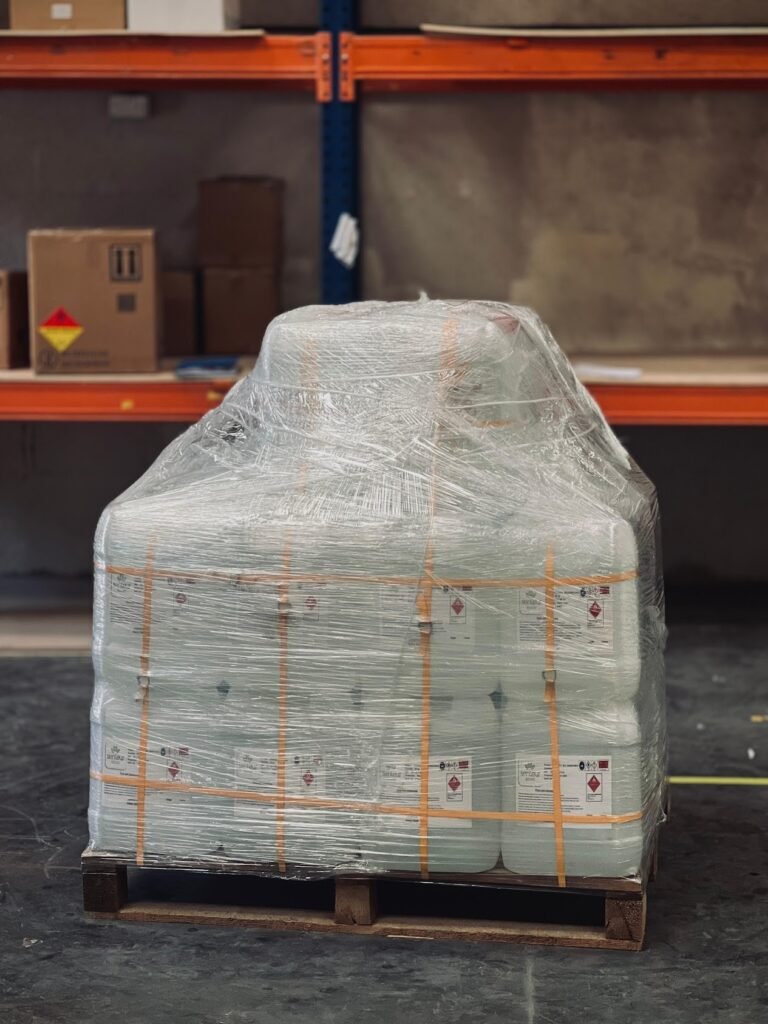
Proper palletization, wrapping, handling and controlled movement help reduce risks during transportation.
Dangerous Goods Shipping in UAE: Safety Comes First
When shipping hazardous materials, the cheapest or fastest option is not always the best option.
A reliable DG logistics partner should understand the cargo, identify the applicable regulations, select the correct mode of transport and coordinate documentation, packaging, handling and customs requirements.
With the UAE serving as a major international logistics hub, businesses need reliable partners who can manage complex cargo movements safely and efficiently.
Hauler provides dangerous goods logistics solutions in the UAE, supporting businesses with air, sea and land freight, documentation, customs brokerage, warehousing and shipment coordination.
If you are planning to ship chemicals, flammable products, batteries, gases or other regulated cargo from or through the UAE, contact Hauler to discuss your dangerous goods shipping requirements before booking your shipment.
FAQ: Dangerous Goods Shipping in UAE
What is dangerous goods shipping?
Dangerous goods shipping is the transportation of materials that may pose a risk to people, property or the environment. These shipments require special classification, packaging, labelling, documentation and handling.
Can dangerous goods be shipped by air from the UAE?
Yes, certain dangerous goods can be transported by air when permitted under the applicable regulations. UAE GCAA CAR Part VI, ICAO requirements, IATA DGR and UAE-specific requirements must be considered.
Can dangerous goods be shipped by sea from Dubai?
Yes. Depending on the cargo and applicable requirements, dangerous goods can be transported by sea. Hauler lists FCL and LCL sea freight solutions for dangerous cargo.
What documents are required for dangerous goods shipping?
Requirements vary according to the cargo and transport mode, but documentation may include an SDS/MSDS, Dangerous Goods Declaration, commercial invoice, packing list, transport document and relevant permits or approvals.
Is a permit required for dangerous goods transportation in the UAE?
Certain dangerous goods transportation activities require permits or approvals from the relevant competent authority. UAE government guidance specifically notes that transporting hazardous materials requires an official permit from the competent authority.
Why should I use a specialized DG freight forwarder?
A specialized freight forwarder can help coordinate classification, packaging, documentation, carrier acceptance, customs procedures, handling and transportation requirements.
